Tilbury: A Script Font That Feels Like a Conversation
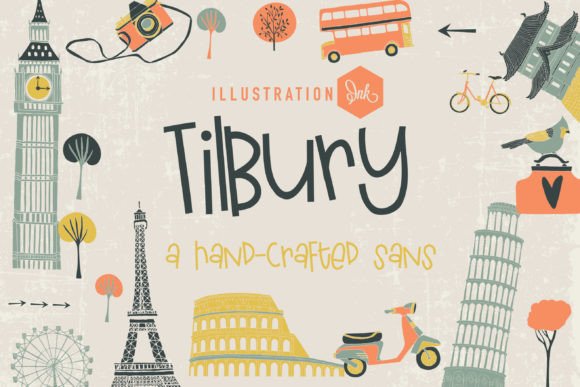
There’s a particular kind of charm in something that isn’t perfectly symmetrical. It feels human, approachable, and real. This is the exact spirit captured in the Tilbury typeface. It’s a premium script font that doesn’t strive for robotic precision. Instead, its letters dance with a delicate, graceful imbalance. Each character has a life of its own, with varied stroke weights and a gentle slant that mimics the natural flow of a skilled hand writing on quality paper. This isn’t just another handwritten font; it’s a creative asset with a distinct personality—one that’s elegant yet unpretentious, artistic yet legible.
For anyone working on a project that needs to feel personal and authentic, Tilbury offers an immediate solution. Its visual style bridges the gap between formal calligraphy and casual script. The letters connect in a fluid, organic way, but with enough space between them to maintain clarity. This careful balance makes it a versatile display font for headlines, logos, and short, impactful text. It avoids the common pitfalls of overly swirly scripts that sacrifice readability for flair. Instead, Tilbury provides that flair while remaining a practical tool for real-world design.
Where Tilbury Truly Shines: Real-World Applications
Knowing a font’s personality is one thing; understanding where to apply it is another. Tilbury excels in projects where a human touch elevates the message. Think about the last time a piece of mail or a website header made you pause because it felt special. That’s the effect this creative font can have.
In brand identity, especially for small businesses and boutiques, a logo sets the entire tone. A logo design using Tilbury immediately communicates craftsmanship, care, and a personal connection. It’s perfect for a local bakery, a handmade jewelry line, a wedding photographer, or a lifestyle blog. It tells customers there’s a real person behind the brand who values quality and aesthetics.
For editorial design and packaging design, this script font adds a layer of sophistication without feeling stuffy. Imagine the title on a recipe card, the header of a magazine feature on artisan crafts, or the branding on a bottle of small-batch olive oil. Tilbury makes these items feel curated and special. In web design, it’s a powerful tool for hero sections, pull quotes, and call-to-action buttons where you want to draw the eye and create an emotional response. Similarly, in social media graphics, it can stop the scroll, making announcements, testimonials, or promotional posts feel more engaging and less corporate.
For personal projects like wedding invitations, thank you cards, or event signage, its value is clear. But its application extends into commercial realms like publishing for chapter titles, book covers, or author branding, and into marketing for email headers and sales collateral. The key is using it for short-form text where its personality can be fully appreciated.
Making Tilbury Work for Your Project: Practical Considerations
Choosing the right typeface is a strategic decision. While Tilbury is a compelling option, its success in your project depends on thoughtful implementation. Here’s how to approach it practically.
Evaluating Project Fit: First, consider your audience and message. Tilbury conveys elegance, artistry, and approachability. It would align well with a brand targeting adults who appreciate design, quality, and personal service. It might feel out of place for a corporate law firm or a tech startup aiming for a sleek, futuristic vibe. Always ask: does this font’s personality match the core feeling I want to evoke?
Testing Font Pairings: No display font is an island. Tilbury needs a partner for body text. Its unbalanced, flowing nature pairs beautifully with clean, stable serif fonts or simple sans serif fonts. For example, pairing it with a classic serif like Garamond creates a timeless, elegant feel. Combining it with a geometric sans serif like Montserrat offers a modern contrast that keeps the overall look fresh and readable. The goal is to create a clear visual hierarchy where Tilbury draws attention for key elements, and its partner font handles the longer, legible text.
Readability and Hierarchy: This is non-negotiable. Because it’s a script font, Tilbury is best used at larger sizes for headlines, logos, or short phrases. Avoid using it for long paragraphs, body copy, or small legal text where readability is paramount. Use it to create focal points. A common mistake is overusing a decorative font, which can clutter a design and dilute its impact. Let Tilbury be the star of the show in a supporting role, not the entire cast.
Reviewing Included Styles and Licensing: A professional premium font often comes with more than just the basic letters. Check if Tilbury includes alternate characters, swashes, or ligatures. These extras allow for customization, letting you tweak letter connections for a more unique look in a logo or monogram. Equally important is the commercial font license. Ensure the license covers your intended use—whether it’s for a client’s logo, printed merchandise, or a website with high traffic. Understanding this upfront prevents legal headaches later and is a mark of professional practice.
Ultimately, Tilbury is more than just a set of glyphs; it’s a design asset that can inject soul into a project. It’s for the designer who knows that sometimes, the most powerful communication comes from a place of authentic, human imperfection. By applying it thoughtfully, you can leverage its unique charm to build stronger connections with your audience, one beautifully crafted word at a time.