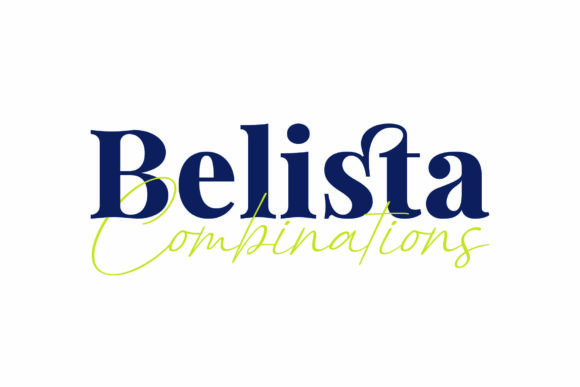
Belista: Where Serif Elegance Meets Script Confidence
There's a particular challenge in design when you need something to feel both refined and personal. Too often, a typeface leans entirely into one quality—either the crisp authority of a serif or the intimate flow of a script—leaving you to juggle multiple fonts to bridge the gap. Belista approaches this problem differently. As a duo font pairing a serif and a script under one family, it offers a built-in dialogue between elegance and assertiveness, giving your layouts a cohesive voice without the guesswork.
Understanding Belista's Dual Personality
At its foundation, Belista presents two distinct yet harmonious typefaces. The serif component carries the hallmarks of modern typography: clean lines, moderate contrast between thick and thin strokes, and proportions that feel contemporary rather than classical. It's the kind of serif font that works comfortably in both body text and display settings, maintaining readability at smaller sizes while still commanding attention when scaled up for headlines.
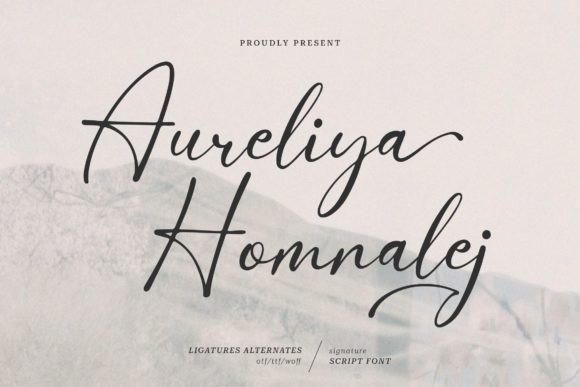
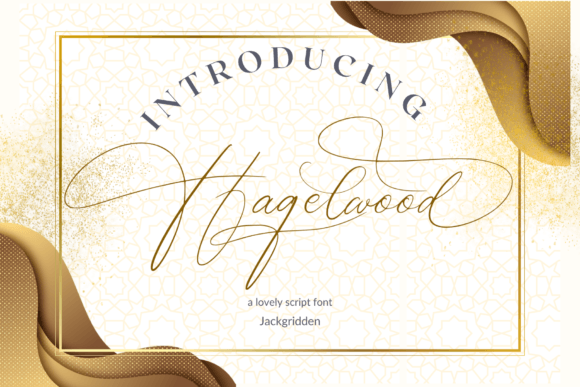
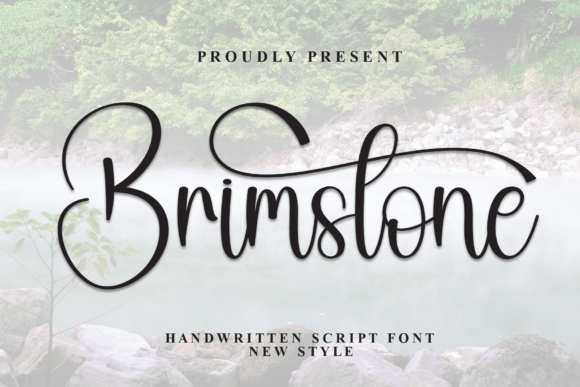
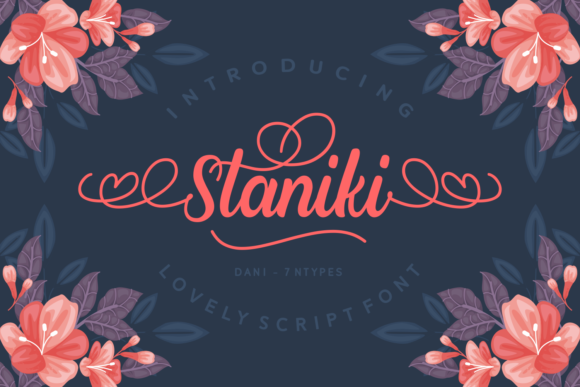
The script counterpart brings a different energy. It's a handwritten font with purpose—each letterform flows with the natural rhythm of hand-lettering, but without the chaos that can make some script typefaces difficult to read. There's a confidence in its curves and connections, a sense that someone sat down and carefully crafted each glyph to feel both spontaneous and controlled. The swashes are generous but not excessive, and the overall texture adds warmth wherever it appears.
What makes this pairing particularly effective is the shared DNA between the two styles. You can see it in the way the serif's terminals echo the script's flourishes, and how both maintain a similar visual weight. This isn't two random fonts thrown together—it's a considered design system where each component understands its role in the larger composition.
Wedding and Event Stationery
This is perhaps the most natural home for Belista. Wedding invitations demand a delicate balance: they need to feel special and personal while remaining legible and structured. The script font handles names, monograms, and accent phrases beautifully, while the serif font carries the essential details—dates, venues, RSVP information—with clarity. Together, they create the kind of invitation suite that feels curated rather than templated. Save-the-dates, ceremony programs, menu cards, and thank-you notes all benefit from this cohesive typographic language.
Brand Identity and Logo Design
For small businesses, particularly those in lifestyle, beauty, fashion, or artisanal food spaces, Belista offers an accessible path to a polished brand identity. The serif font can anchor your business name, website headers, and printed materials, while the script font adds personality to taglines, product names, and decorative elements. A bakery might use the script for its logo and the serif for menu descriptions. A boutique clothing brand could pair them across hang tags, shopping bags, and Instagram stories. The result is a brand that feels both professional and approachable—exactly the impression many entrepreneurs want to make.
Editorial and Publishing Design
Magazines, lookbooks, and blog layouts often rely on strong typographic contrast to guide readers through content. Belista's two styles provide that contrast naturally. Use the serif for pull quotes and section headers while the script highlights key phrases or creates visual breaks. In editorial design, this kind of intentional hierarchy keeps readers engaged and helps them navigate dense information without feeling overwhelmed.
Social Media and Digital Content
The demands of social media graphics are unique: you have roughly two seconds to capture someone's attention as they scroll. Belista's script font, in particular, excels here. Its handwritten quality feels authentic and human in a sea of overly polished corporate content. Pair it with the serif for Instagram quotes, Pinterest pins, Facebook event headers, or YouTube thumbnails. The combination reads well on screens and translates your personality quickly—a critical advantage when engagement windows are measured in heartbeats.
Packaging and Product Design
Product labels, box designs, and retail packaging benefit from typefaces that convey quality without pretension. Belista fits this space comfortably. A script font on a candle label or a serif font on a supplement bottle can signal craftsmanship and care. When both styles appear across a product line, they create visual consistency that strengthens shelf presence and brand recognition.
Evaluating Fit Before You Commit
Not every font suits every project, and Belista is no exception. Before integrating it into your design assets, consider your audience and context. A law firm's annual report probably isn't the right home for a script font, no matter how elegant. But a wellness brand's product catalog? That's a different story. Look at the mood you're trying to set. If your project calls for warmth, personality, and a touch of sophistication, Belista deserves serious consideration.
Testing Font Pairings and Readability
While Belista's serif and script are designed to work together, you'll still want to test how they perform in your specific application. Set sample text at the sizes you'll actually use. Print a proof if the project is physical. View it on multiple screens if it's digital. Pay attention to letter-spacing, line height, and how the script font reads at smaller sizes. A display font that looks stunning at 72 points might lose its charm at 14 points, so always verify readability in context.
If you need a third typeface for supporting text—a sans serif font for captions or UI elements, for instance—choose something neutral that doesn't compete. Belista's serif is versatile enough to pair well with clean geometric or humanist sans serifs. The key is restraint: let Belista carry the visual personality while supporting typefaces stay quiet.
Licensing and Commercial Use
As a premium font, Belista comes with specific licensing terms that determine how you can use it. If you're working on client projects, merchandise, or products for sale, make sure your license covers commercial use. Many font foundries offer different tiers—desktop licenses for print work, webfont licenses for online use, and extended licenses for large-scale distribution. Reviewing these details upfront protects you legally and ensures you're investing appropriately in your design toolkit.
Exploring the Full Character Set
Take time to explore everything Belista includes. Beyond the basic alphabet, look for alternate characters, ligatures, and stylistic sets. These details are often what separate competent design from exceptional design. A subtle alternate on a script letter can eliminate an awkward connection. A discretionary ligature can turn a simple word into something memorable. The more familiar you are with the typeface's full capabilities, the more confidently you can use it.
The Bigger Picture
Typography shapes perception in ways most people never consciously notice. The right typeface can make a small brand feel established, a personal project feel intentional, and a message feel trustworthy. Belista, with its thoughtful combination of serif structure and script warmth, gives you a tool that bridges the gap between formality and feeling. It won't solve every design challenge—no single font does—but for projects that need to communicate both elegance and human connection, it's a strong starting point.
Whether you're designing your first wedding invitation or refining a brand identity you've built over years, having a reliable creative font in your collection saves time and elevates results. Belista earns that place not through novelty, but through the quiet confidence of well-executed letterforms that serve the work rather than overshadowing it.