The Modern Calligraphy: Why Authentic Harmony Resonates
There is a distinct moment in every design project where the typography either elevates the message or obscures it. We have all seen the overused brush scripts that look dated before the project even launches, or the stiff, sterile fonts that strip the personality right out of a brand. Finding the sweet spot—a font that feels personal and human but retains a sharp, contemporary edge—is the challenge. This is exactly where Authentic Harmony enters the conversation. It is a modern, elegant script font that bridges the gap between the warmth of handwriting and the precision of professional design. If you are looking to add a sophisticated, chic touch to your work without sacrificing legibility, understanding how to wield this typeface is a skill worth mastering.
Visual Characteristics and Personality
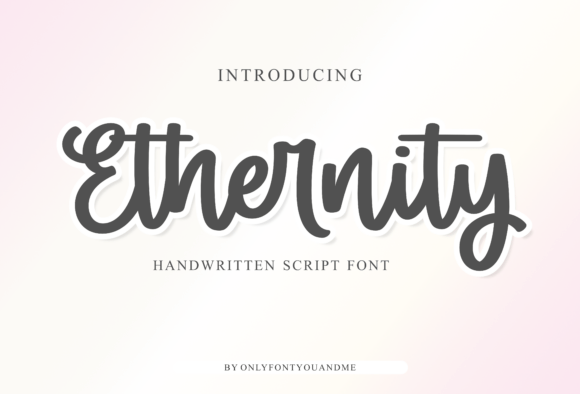
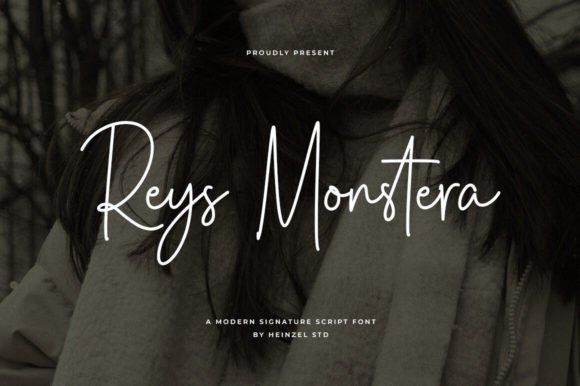
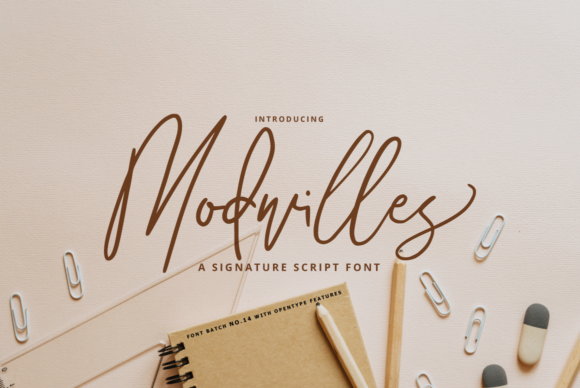
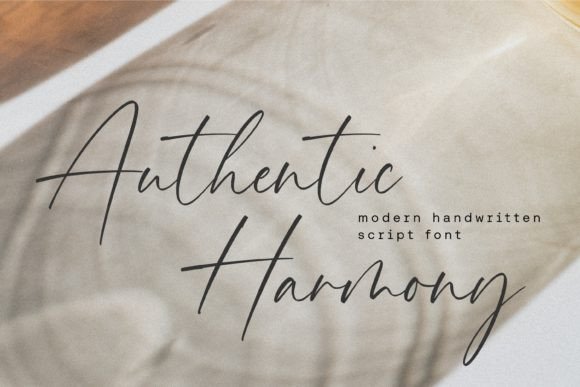
At its core, Authentic Harmony is defined by its fluidity. It is a script font, but it avoids the chaotic loops and illegible flourishes that plague many handwritten styles. The design was created with care and attention to detail, resulting in a clean aesthetic that feels effortless. The letterforms connect with a natural rhythm, mimicking the pressure and flow of a high-quality felt-tip pen or a modern brush pen. It possesses a rhythm that guides the eye along the line, making it an excellent choice for headlines and short-form copy where you need to make an immediate impact.
The "chic" factor comes from its restraint. While it is undoubtedly a creative font, it does not scream for attention with excessive swashes. Instead, it commands respect through elegance. The x-height is generous enough to ensure that lowercase letters remain distinct, even at smaller sizes, which is a common failure point in other premium font options. This typeface brings a human touch to digital interfaces, proving that modern typography does not have to be cold or geometric to be effective.
Strategic Applications: From Branding to Packaging
Knowing a font looks pretty is one thing; knowing where to deploy it for maximum ROI is another. Authentic Harmony shines brightest in specific contexts where personality and professionalism must coexist.
For entrepreneurs and small business owners, this font is a powerhouse for brand identity. Think about the headers of a website for a boutique consultancy, a high-end bakery, or a lifestyle coach. Using Authentic Harmony in your logo design or hero section instantly communicates that your brand is approachable yet sophisticated. It tells your audience that there is a real human behind the business who cares about quality.
In the realm of publishing and editorial design, this display font works wonders for pull quotes, chapter titles, or magazine mastheads. It breaks up the monotony of body text—whether that body text is a serif font or a sans serif font—and draws the reader's eye to key statements. For bloggers and content creators, it is an asset for creating visually distinct Pinterest graphics or Instagram stories that stand out in a crowded feed. The script style adds a layer of intimacy that static, blocky fonts cannot replicate.
Furthermore, packaging design is a natural home for this typeface. If you are designing labels for artisanal goods, cosmetics, or stationery, Authentic Harmony provides that "hand-crafted" feel that consumers love, but with the crispness required for legibility on a shelf. It balances well with minimalist layouts, allowing the typography to serve as the primary decorative element.
The Mechanics of Influence: Hierarchy and Engagement
Typography is not just about decoration; it is about psychology. The fonts you choose influence how your audience perceives your message before they even read the words. Authentic Harmony influences visual hierarchy and engagement in several key ways.
First, it creates visual hierarchy effortlessly. Because it is a high-contrast style compared to standard body text, you can use it to establish a clear pecking order. A headline in Authentic Harmony paired with a clean, geometric sans serif font for the body text creates a dynamic tension that is pleasing to the eye. This contrast is crucial for web design, where users scan content rapidly. The script nature of the font slows the reader down just enough to emphasize the headline without frustrating them.
Second, it impacts brand perception. Consistency is the bedrock of trust. By using a cohesive font pairing strategy that includes Authentic Harmony, you signal attention to detail. It suggests that your brand values aesthetics and care. This is vital for social media graphics, where the visual noise is high. A consistent use of this script font helps build recognition; your followers will start to recognize your posts simply by the typography style, even before they see your logo.
Finally, there is the element of audience engagement. People connect with things that feel human. In an era of AI-generated content and corporate jargon, a font that mimics the warmth of handwriting can foster a sense of connection. It softens the hard edges of a corporate message, making a brand feel more accessible and trustworthy.
Practical Implementation: Pairing and Licensing
Integrating a new design asset into your workflow requires a practical approach. Here is how to get the most out of Authentic Harmony.
Choosing the Right Context: Evaluate the tone of your project. Authentic Harmony is versatile, but it leans toward the elegant and personal. It is perfect for a wedding invitation, a yoga studio brochure, or a fashion lookbook. It might feel out of place on a technical manual for heavy machinery or a stark industrial report. Always match the font’s personality with the subject matter.
Mastering Font Pairings: The golden rule of pairing script fonts is balance. Since Authentic Harmony has a lot of character, it needs a "quiet" partner. A neutral serif font like Garamond or a clean sans serif font like Montserrat or Helvetica Neue works beautifully. Use the script font for impact (headlines, call-to-action buttons, quotes) and the neutral font for readability (paragraphs, captions, navigation).
Readability Considerations: Even though Authentic Harmony is designed for clarity, it is still a script font. Avoid using it for long blocks of body text or very small legal disclaimers. It is meant to be seen and admired, not deciphered. If you are using it for web design, ensure the font size is large enough that the letter connections remain clear on various screen resolutions.
Reviewing Styles and Licensing: Before purchasing, check what is included in the package. A good premium font often comes with stylistic alternates or ligatures that allow you to customize the look of specific letters to avoid repetition. Also, verify the licensing. If you are a small business owner creating a logo, you need a license that covers commercial use. If you are a designer creating assets for clients, ensure your license permits distribution or that the client purchases their own copy for their server.
Elevating Your Creative Toolkit
In the vast ocean of available typefaces, Authentic Harmony stands out not because it is the loudest, but because it is the most refined. It offers a solution for designers and creators who want to inject warmth into their work without looking amateurish. It is a tool that respects the traditions of calligraphy while embracing the demands of modern digital aesthetics.
Whether you are crafting a new brand identity, designing a layout for a lifestyle magazine, or creating a series of inspiring social media graphics, this font provides the versatility and elegance you need. It is a reminder that in design, true style comes from finding the balance between the organic and the structured. By incorporating Authentic Harmony into your toolkit, you are not just choosing a font; you are choosing to communicate with clarity, personality, and modern sophistication.