Pistachio: A Handwritten Font for Authentic Branding
Capturing the Essence of Handmade
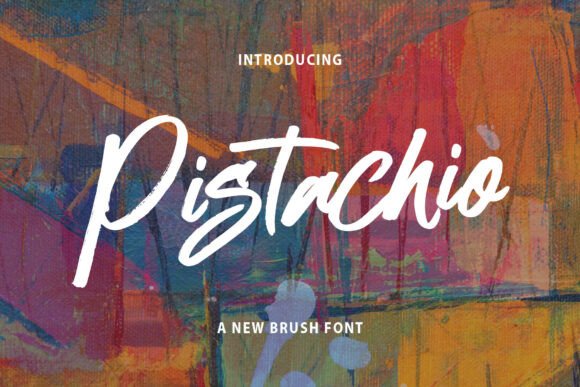
In a digital landscape often dominated by clean, geometric sans serif fonts and formal serif typefaces, there’s a growing desire for authenticity. Brands and creators want to feel human, approachable, and genuine. This is where a dynamic, handwritten script font like Pistachio comes into its own. It’s not just another script; it’s a carefully crafted tool designed to inject organic energy and a modern, artistic feel into your work. The font’s core appeal lies in its bold, confident strokes paired with a realistic brush texture. This combination captures the natural beauty of handwriting without sacrificing the clarity needed for professional applications. It feels personal yet polished, making it a versatile premium font for a wide array of projects.
Think about the last time a product label or a social media post made you stop and look. Chances are, it communicated a story or a feeling instantly. Pistachio is built for that moment. It’s a creative font that serves as a bridge between raw, artistic expression and structured, effective design. Its personality is warm, energetic, and confidently stylish. It doesn’t scream for attention with excessive flourish; instead, it draws the eye with its substantial presence and textured detail. For designers and entrepreneurs, this means you can achieve a high-impact, artisanal aesthetic without the time-consuming process of creating custom hand-lettering for every project.
Where Pistachio Truly Shines: Practical Applications
Understanding a font’s strengths is key to using it effectively. Pistachio excels in contexts where personality and a personal touch are paramount. It’s an ideal choice for packaging design, particularly for artisanal goods. Imagine it on labels for small-batch coffee, organic snacks, handmade soaps, or craft beverages. The font immediately communicates care, quality, and a hands-on ethos. It tells your customer that there’s a real person and a story behind the product.
Beyond packaging, this handwritten font is a powerhouse for marketing and brand identity. Use it to make bold, impactful quotes in blog posts or on social media graphics. It’s perfect for event posters, festival announcements, and workshop flyers where you need to convey excitement and creativity. For e-commerce and content creators, Pistachio can elevate the look of personalized greeting cards, wedding invitations, and stylish apparel designs. Its strong presence also makes it suitable for logo design, especially for brands in the wellness, lifestyle, food, or creative industries that want to project an approachable and modern image.
However, its role is primarily that of a display font. This means it’s optimized for headlines, titles, logos, and short bursts of impactful text. Its bold nature and textured details are designed to be admired at larger sizes. Using it for long paragraphs of body copy would compromise readability and undermine its artistic strengths. The wisdom lies in using Pistachio for your headline or logo and pairing it with a clean, simple serif font or sans serif font for your supporting text. This creates a clear visual hierarchy, guiding the reader’s eye and ensuring your message is both beautiful and accessible.
Making the Most of Pistachio in Your Projects
Adopting a new typeface into your workflow is a strategic decision. Here’s some practical guidance for evaluating and implementing Pistachio. First, consider your project’s goals. Are you trying to build a brand that feels friendly and authentic? Are you designing a one-off piece that needs a standout header? If the answer is yes, Pistachio is likely a strong candidate. Next, always test your font pairing. A robust pairing balances contrast and cohesion. Try combining Pistachio with a geometric sans serif like Montserrat for a modern, clean look, or with a classic serif like Lora for a more elegant, editorial feel. The goal is to let the script font be the star while the supporting font provides calm, readable context.
When you acquire a commercial font like Pistachio, review its full character set and included styles. A quality font often comes with alternates, ligatures, and multilingual support. These features allow you to customize the look of your text, adding subtle variations that enhance the handwritten effect and prevent repetitive letterforms. Always prioritize readability. Test the font at the size you intend to use it, especially for critical information like product names or event details. Ensure the letter spacing and line height work harmoniously.
Finally, respect the licensing. A commercial font is a design asset created by a type designer. Using it within the terms of its license—whether for a single project, a client, or across your entire business—is essential for professional and ethical practice. By thoughtfully integrating a font like Pistachio, you’re not just adding a decorative element; you’re investing in a tool that can shape perception, enhance recognition, and create a more engaging experience for your audience. It’s a small detail that can make a significant difference in the crowded world of modern typography and editorial design.