Natacha: The Modern Signature Script for Luxury Branding
In a digital landscape saturated with visual noise, the choice of typography often determines whether a brand blends in or stands out. While minimalist sans-serif fonts have dominated the web for years, there is a distinct return of personality-driven typefaces. Among these, script fonts are reclaiming their space, but not in the way we remember them from the 1990s. Today’s scripts need to balance elegance with legibility, and flair with functionality. Enter Natacha, a typeface that bridges the gap between traditional calligraphy and contemporary design needs.
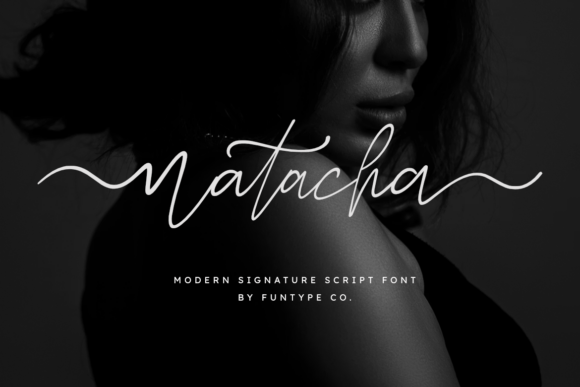
Natacha is not merely a collection of letters; it is an exercise in refined fluidity. Designed as a modern signature script font, it captures the essence of a confident, free-flowing hand without sacrificing the precision required for professional use. At first glance, the font feels intimate and personal. The letterforms feature clean, handwritten lines that connect seamlessly, creating a rhythm that guides the eye from left to right. However, unlike many decorative scripts that can appear cluttered or overly casual, Natacha maintains a sleek, balanced structure. This makes it a versatile tool for anyone looking to inject a human touch into their digital or print assets.
The Anatomy of Elegance: Visual Characteristics and Style
Understanding the visual DNA of Natacha helps in deciding where it fits within a design system. The font is characterized by its high-impact appeal. It avoids the scratchy, chaotic look of some modern handwritten fonts, opting instead for smooth curves and consistent stroke widths. This gives the typeface a "premium" feel, suggesting that the content it represents is of high value.
The personality of Natacha is undeniably confident. It strikes a delicate balance between the organic nature of handwriting and the structured requirements of graphic design. The ascenders and descenders—the parts of letters that extend above the x-height or below the baseline—are crafted to be expressive yet contained. This ensures that the font remains legible even when used in tighter layouts. For designers, this means you get the aesthetic of a custom signature without the headaches of kerning issues often associated with free script fonts. It is a typeface that feels "expensive" without being ostentatious, making it a cornerstone for luxury branding.
Strategic Applications: Where Natacha Shines
Choosing the right font is less about personal taste and more about context. Natacha excels in specific environments where emotional connection and sophistication are paramount. If you are a small business owner, a blogger, or a graphic designer, here is how you can practically apply this font to your projects.
Logo Design and Brand Identity
For entrepreneurs in the fashion, beauty, or lifestyle sectors, a logo is the face of the business. Natacha is exceptionally well-suited for logo design because it offers a distinct "wordmark" capability. Because the script is flowing but precise, it creates a memorable visual anchor. It works beautifully for wedding photographers, boutique clothing lines, or high-end consultants who want to signal creativity and attention to detail. When used as a primary logo typeface, it immediately establishes a brand identity that feels personal and bespoke.
Digital Presence and Social Media
In the realm of web design and social media graphics, readability on screens is critical. Natacha is provided in both OTF and TTF formats, ensuring maximum compatibility across different platforms and operating systems. On social media, where the scroll speed is fast, Natacha can be used to create "stop-worthy" headers. It is particularly effective for Instagram quotes, Pinterest pins, or Facebook ad headlines. It draws the eye in a way that rigid, blocky fonts often fail to do, increasing engagement and click-through rates.
Editorial and Packaging Design
Print media and packaging design rely heavily on tactile appeal. Imagine a cosmetic box or a thank-you card included with an online order. Using Natacha for the headers or the recipient's name adds a layer of warmth and luxury. In editorial design, such as magazine headers or pull quotes, the font breaks up the monotony of body text (usually a serif font or sans serif font). It acts as a visual palate cleanser, adding rhythm to the layout and emphasizing key messages.
Enhancing Communication: Readability and Hierarchy
One of the most common pitfalls in using script fonts is neglecting the user experience. A beautiful font is useless if the audience cannot read it. Natacha addresses this through its "refined script structure." The connections between letters are intuitive, meaning readers do not have to struggle to decipher individual characters.
Visual hierarchy is essential in marketing materials. You need the reader to know what to look at first. Natacha naturally creates a strong focal point. Because it is a display font, it is best used for headlines, sub-headers, and call-to-action phrases rather than long paragraphs of body text. Pairing Natacha with a clean sans-serif font for the body copy is a classic design strategy. The contrast between the organic script and the geometric sans-serif creates a dynamic, professional layout that is easy to navigate.
Practical Guide: Choosing and Implementing Natacha
For designers and content creators, integrating a new typeface into a toolkit requires a bit of strategy. Here are some practical recommendations for getting the most out of the Natacha font.
- Evaluating Project Fit: Before selecting Natacha, analyze the tone of your project. Is it serious and corporate? If so, Natacha might be better suited for accents rather than the main headline. Is it creative, feminine, or luxurious? If yes, Natacha is likely an excellent fit. It is the ideal choice when you want to avoid the coldness often associated with digital communication.
- Testing Font Pairings: Typography is a team sport. Natacha pairs exceptionally well with neutral sans-serifs like Helvetica, Arial, or Montserrat. It also holds its own against traditional serif fonts like Garamond or Times New Roman, provided the serif is used in a lighter weight. The goal is to let Natacha do the "speaking" while the secondary font provides the "information."
- Commercial Licensing: If you are using Natacha for client work or merchandise, ensure you understand the licensing. Since it is designed as a commercial font, it typically covers a wide range of uses, from digital ads to physical products. Always double-check the specific license agreement included with the files to ensure compliance, especially for large-scale distribution.
- Readability Checks: Always test your designs at the size they will be viewed. Natacha looks stunning large, but if you are using it for a button on a website or a caption on a mobile phone, zoom in to ensure the connections between letters remain legible at smaller scales.
Conclusion: A Versatile Asset for the Modern Creator
In the end, Natacha is more than just a font; it is a design asset that solves a common problem. It allows creators to inject personality and elegance into their work without compromising on the professional standards required in today’s market. Whether you are designing a logo for a new startup, crafting a social media campaign, or laying out a luxury product catalog, this modern typography solution offers the flexibility and aesthetic appeal needed to make a lasting impression.