Hagelwood: Where Rustic Charm Meets Digital Elegance
There's a particular kind of beauty in the imperfect—the slightly uneven grain of hand-hewn timber, the gentle slope of a handwritten note, the quiet confidence of something crafted with care rather than mass-produced. This is the space where Hagelwood Script lives. It's a premium font that doesn't just sit on the page; it breathes with a sense of warmth and authenticity that digital typefaces often struggle to achieve. Inspired by the tranquility of nature and the cozy intimacy of a cabin retreat, Hagelwood offers a unique blend of sophistication and approachable comfort.
The Visual Character: More Than Just Letters
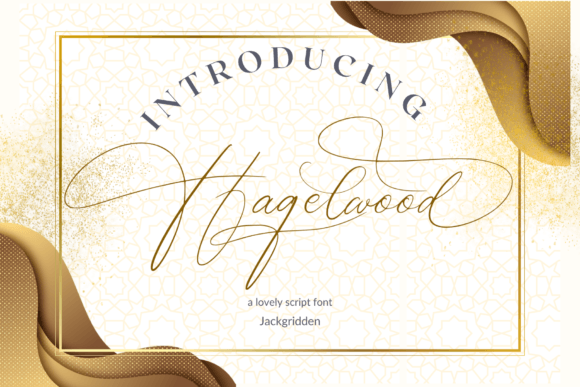
At its core, Hagelwood is a script font with a distinct personality. Its strokes flow with a natural, handwritten rhythm, avoiding the rigid perfection of many modern typefaces. You'll notice subtle variations in weight and baseline that mimic the pressure and movement of a hand holding a pen. This isn't a chaotic, scratchy font; it's a refined, elegant script that maintains excellent readability. The letterforms are connected with graceful, fluid ligatures, giving text a cohesive, flowing appearance. It carries the warmth of a handwritten font but with the polish and consistency required for professional design assets. The overall appeal is one of timeless elegance—it feels both classic and contemporary, suitable for projects that need to convey authenticity without sacrificing sophistication.
Finding Its Place: Where Hagelwood Truly Shines
Understanding where a creative font like Hagelwood works best is key to leveraging its strengths. Its versatility is one of its greatest assets, but it excels in specific contexts where its personality can enhance the message.
Branding and Logo Design
For businesses in lifestyle, artisanal goods, hospitality, or wellness, Hagelwood can become a cornerstone of a memorable brand identity. Imagine it on a logo for a boutique coffee roaster, a handcrafted jewelry line, or a cozy bed-and-breakfast. It instantly communicates care, quality, and a personal touch. As a display font, it works beautifully for logos, wordmarks, and headlines in brand guidelines, setting a tone that is both professional and deeply personal.
Editorial and Publishing Design
In editorial design, Hagelwood adds a layer of intimacy. It's perfect for pull quotes, chapter titles in a novel, or the masthead of a literary magazine. It can bring warmth to a cookbook's chapter headings or a travel journal's cover. When used sparingly, it creates visual hierarchy and draws the reader's eye to key moments in the layout, making the content feel more curated and engaging.
Packaging and Product Design
On packaging, Hagelwood can transform a product from a mere commodity into a story. Think of artisanal soap labels, gourmet food packaging, or craft brewery branding. The font's rustic charm aligns perfectly with products that have a story of origin, craftsmanship, or natural ingredients. It helps build an emotional connection with the consumer before they even try the product.
Digital and Social Media
For web design and social media graphics, Hagelwood provides a welcome respite from the stark, geometric sans serif fonts that dominate digital spaces. It's excellent for website hero sections, blog post titles, or Instagram quote graphics. It adds personality and can help a brand stand out in a crowded digital feed. However, it's crucial to consider readability at smaller sizes—always test it on mobile devices and ensure sufficient contrast.
Personal and Commercial Projects
Beyond commercial use, Hagelwood is a fantastic choice for personal projects that matter. Wedding invitations, anniversary cards, heartfelt letters, or custom family prints gain an immediate sense of significance and care. For crafters and hobbyists, it's a valuable design asset for creating custom decals, labels for homemade goods, or personalized stationery.
The Practical Guide: Choosing and Using Hagelwood
Adopting any new typeface requires thoughtful evaluation. Here’s how to approach Hagelwood for your next project.
Evaluating Project Fit
Ask yourself: does the project's core message align with Hagelwood's personality? It's ideal for themes of warmth, authenticity, nature, craftsmanship, elegance, and intimacy. It might not be the best fit for a cutting-edge tech startup or a highly formal legal document. The context is everything.
Mastering Font Pairing
A script font like Hagelwood needs partners. The goal is balance and contrast. Pair it with a clean, stable sans serif font for body text (like Open Sans, Lato, or Montserrat) to ensure readability. Alternatively, it can create a beautiful dialogue with a classic serif font (like Garamond or Lora) for a more traditional, literary feel. The key is to let Hagelwood be the star for headlines and accents, while its supporting cast handles the heavy lifting of long-form text.
Reviewing Included Styles and Glyphs
A high-quality premium font like Hagelwood often comes with more than just the basic alphabet. Look for additional stylistic alternates, ligatures, and swashes. These extras allow you to customize the look of your text, creating unique letter combinations that enhance the handwritten feel. Experiment with these features in your design software to unlock the font's full potential.
Readability and Licensing
Always conduct a readability test. Set a paragraph of body text in Hagelwood at your intended size and view it on different screens and in print. If it strains the eyes, reserve it for larger display sizes. Finally, ensure you have the correct commercial font license for your intended use, whether it's for a client's brand, a product for sale, or a website with significant traffic. Proper licensing is a non-negotiable part of professional practice.
Hagelwood Script is more than just a collection of glyphs; it's a tool for storytelling. It allows designers, entrepreneurs, and creators to infuse their work with a tangible sense of humanity and warmth. In a world of digital perfection, it offers a beautifully crafted whisper of the handmade, inviting your audience to slow down and connect. When used thoughtfully, it doesn't just display words—it gives them a voice.