America's Open Road: Capturing Vintage Spirit in Design
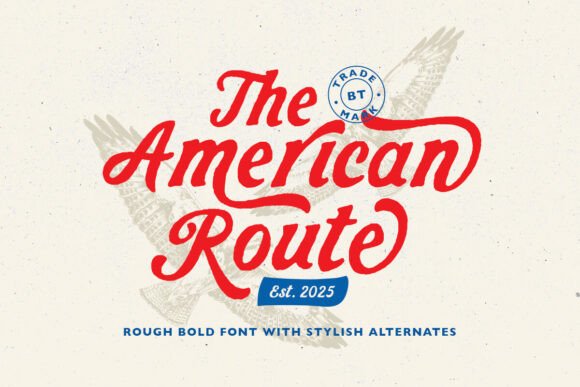
There is a specific feeling that comes with the open road—the rumble of an engine, the blur of passing landscapes, and the promise of adventure. Translating that visceral energy into a static design is a challenge, but typography has the power to bridge that gap. When you are working on a project that requires a nod to heritage, freedom, or a rugged, timeless aesthetic, the choice of typeface becomes the anchor of your visual story. American Route is a bold, vintage-inspired script font that embodies this rugged charm and dynamic energy, offering designers and creators a tool that feels less like a digital file and more like a hand-painted sign from a bygone era.
This is not just another decorative font. It is a carefully crafted premium font designed to evoke a sense of nostalgia while maintaining modern usability. For graphic designers, small business owners, and content creators, finding the right typeface often dictates the success of the entire project. Whether you are building a brand identity for a craft brewery, designing merchandise for a motorcycle club, or laying out an editorial piece about American history, the typography needs to do more than just spell words; it needs to set a mood.
The Anatomy of a Vintage-Modern Typeface
To understand the utility of American Route, you have to look at its visual DNA. It is classified as a script font, but it avoids the stiffness of formal calligraphy or the illegibility of some handwritten fonts. Instead, it strikes a balance between structured letterforms and organic movement. The defining characteristic is its rough texture. In modern typography, we are seeing a shift away from sterile, perfectly smooth vectors. Designers and audiences alike are craving authenticity. The slightly weathered edges of American Route mimic the look of ink bleeding into paper or paint chipping off a barn wall. This texture adds instant history to a design, suggesting that the brand has been around for a while and values quality over trends.
Beyond the texture, the font features stylish alternates and swashy flourishes. These aren't just decorative extras; they are essential for customizing the look of your text. By swapping out standard letters for stylistic alternates, you can ensure that your logo design or headline feels unique. This prevents the "cookie-cutter" look that can plague designs using standard system fonts. The display font nature of American Route means it is built to be seen at large sizes, where these details—like the dynamic energy of a tail flourish or the heavy weight of a downstroke—can truly shine.
Practical Applications: From Apparel to Branding
The versatility of a font like American Route lies in its specific personality. It is a creative font that speaks a particular dialect of "Americana." This makes it an exceptional asset for specific industries and project types.
In the world of packaging design, texture is everything. Consumers are drawn to products that feel authentic. Imagine American Route on the label of a small-batch hot sauce, a bag of artisanal coffee, or a bottle of craft beer. The font’s rugged charm immediately communicates a product that is handcrafted and cared for. It pairs exceptionally well with kraft paper textures and matte finishes, reinforcing the tactile experience of the product.
For apparel and merchandise, the font excels at creating that coveted "lived-in" look. T-shirts, hoodies, and hats often rely on display fonts that can stand alone as graphics. The bold nature of American Route makes it legible on moving subjects—like a person walking down the street—and its vintage style fits perfectly within the streetwear and workwear markets. It suggests durability and a connection to classic American work ethics.
Even in digital design, such as social media graphics or website headers, this typeface offers a strong visual anchor. In a feed dominated by clean sans-serifs and minimalism, a textured, swashy script can stop the scroll. It creates a focal point that draws the eye, making it ideal for sale announcements, feature headers, or hero images on a landing page.
Mastering the Pair: Font Hierarchy and Readability
One of the most common pitfalls in web design and print layout is overusing a decorative font. While American Route is visually striking, using it for body copy would be a mistake. Its strength lies in headlines, sub-headers, and call-outs. To create a professional visual hierarchy, you need to pair it with something that supports it without competing for attention.
Because American Route has a high personality quotient, it pairs best with neutral companions. A clean sans serif font is often the perfect counterpart. The geometric simplicity of a sans-serif provides a modern, clean resting place for the eyes after they take in the complexity of the script. This contrast ensures that your design feels balanced. Alternatively, pairing it with a sturdy serif font can enhance the vintage, editorial feel, making the layout look like a page from a turn-of-the-century magazine.
When evaluating font pairings, consider the x-height and weight. You want the supporting font to feel grounded. If the script is too light and the body text is too heavy, the hierarchy breaks. American Route’s bold weight makes it easy to balance with medium-weight body text. Always test your pairings at the actual size they will be viewed. A combination that looks good on a large monitor might muddy up on a mobile screen if the contrast isn't sufficient.
Evaluating Fit and Licensing for Your Project
Before integrating any commercial font into your workflow, due diligence is required. First, evaluate the project fit. Does the brand voice align with a vintage, rugged aesthetic? If you are designing for a futuristic tech startup or a high-end luxury spa, American Route might send the wrong message. However, for brands rooted in heritage, outdoor adventure, DIY culture, or freedom, it is a perfect match.
Next, look at the technical specifications. A high-quality premium font usually comes with a range of features. Check for the availability of different weights or styles. While American Route is a script, does it come with a solid version for when the texture is too busy? Are there plenty of glyphs for different languages? Check the commercial license. If you are a freelancer creating a logo for a client, you need to ensure the license covers commercial use. If the client is selling merchandise, the license needs to be robust enough to cover that distribution.
Finally, test the font in black and white first. A common mistake in logo design is relying on color to make a mark work. A strong typeface like American Route should hold its own in monochrome. Its swashes and texture should add interest even without color. This ensures the brand remains recognizable across all mediums, from a full-color website banner to a single-color stamp on an envelope.
Ultimately, choosing a typeface is about storytelling. American Route tells a story of open roads, hard work, and timeless style. By utilizing its textures and alternates thoughtfully, and pairing it with the right supporting fonts, you can elevate a standard design into a memorable piece of visual communication. It is a valuable addition to any designer’s toolkit, bridging the gap between the nostalgia of the past and the clarity of modern typography.